









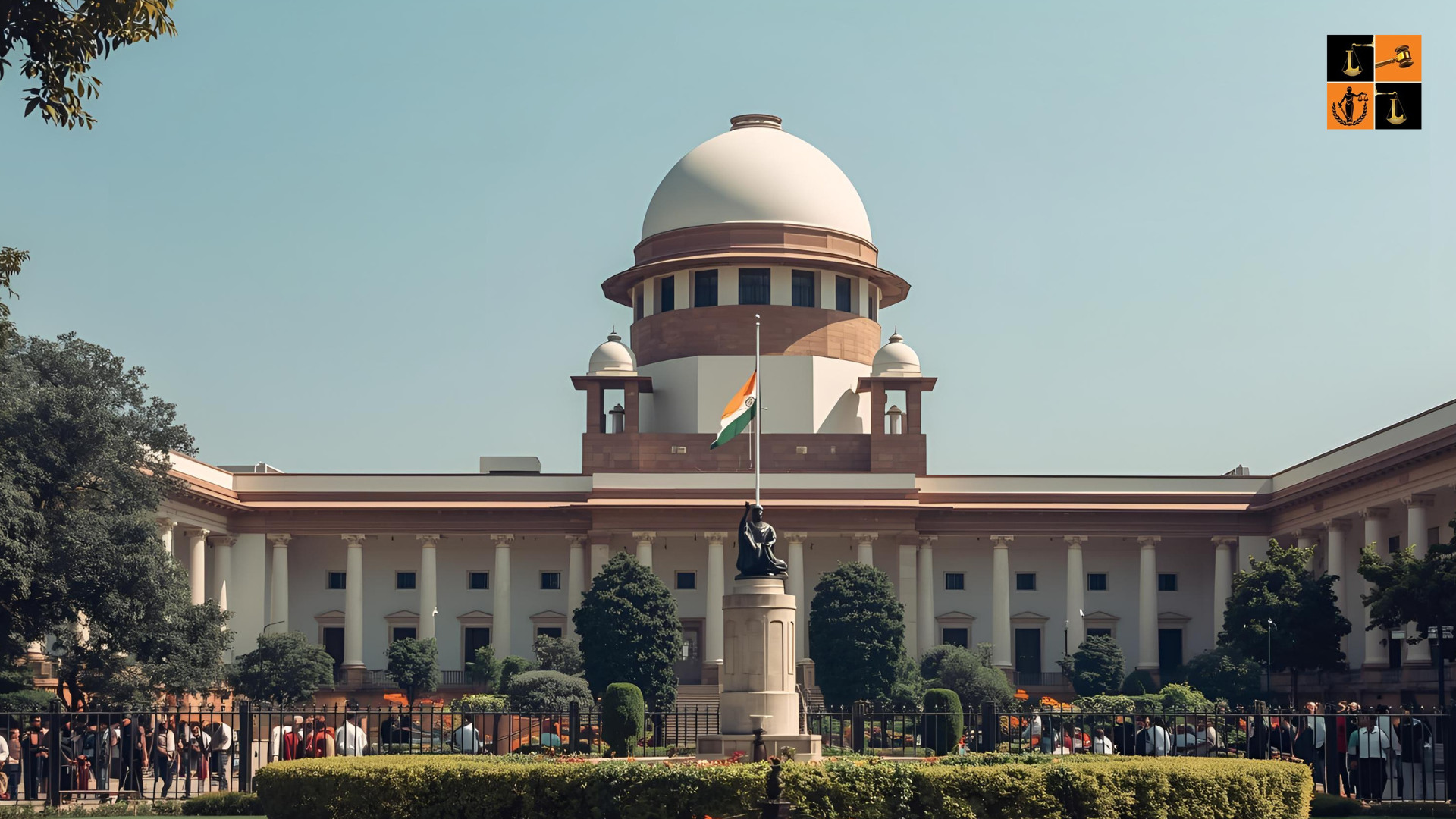
Recently, the Supreme Court clarified that the focus of the Immoral Traffic (Prevention) Act, 1956, is the prevention of organised commercial exploitation linked to prostitution, not the prohibition of prostitution itself. In doing so, the Court examined the legislative intent behind the law while considering issues relating to trafficking and the rehabilitation of women rescued from brothels.
The observations were made while the Supreme Court was examining the statutory framework governing trafficking and prostitution in the context of the rehabilitation of women rescued from brothels. While interpreting the Immoral Traffic (Prevention) Act, 1956, the Court considered whether the law was intended to prohibit prostitution altogether or whether its primary focus was on curbing organised activities that facilitate and profit from it. The Bench also analysed provisions relating to solicitation, prostitution near public places, and the legal meaning of the term ‘brothel’ under the Act.
The Division Bench of Justice J.B. Pardiwala and Justice R. Mahadevan held that the central focus of the legislation is the prevention of commercialised prostitution rather than the criminalisation of every individual act of prostitution. The Court observed, “Abolition of prostitution or making prostitution a criminal offence is not the principal object of the Act.” It further explained that the law was primarily enacted to punish those involved in trafficking and exploitation, while certain provisions penalise prostitution only in specific circumstances, such as solicitation or activities carried out near public places.
Clarifying the scope of the term ‘brothel’, the Court added that a residence occupied by a single woman engaged in prostitution for her own livelihood, without the involvement of others in maintaining the premises, would not fall within that definition.
Disclaimer: This news/ article includes information received via a syndicated news feed. The original rights remain with the respective publisher.
Picture Source :



















